Kitchen
7 Simple Plastic-Free Kitchen Swaps That Actually Stick
Seven everyday kitchen swaps, from water bottles to dish brushes, with the trade-off for each so you can choose what fits your home.
Practical plastic-free living
Explore practical guides, reusable product comparisons, and simple changes that fit your home, budget, and everyday routine.
Pick the area that bothers you most. None of these need a big shopping trip.
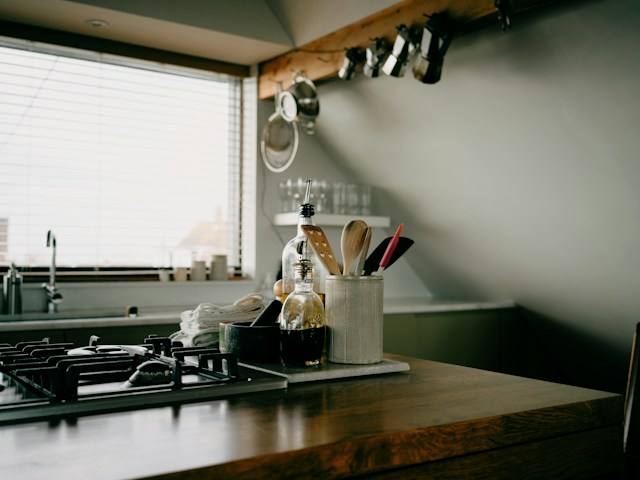 01
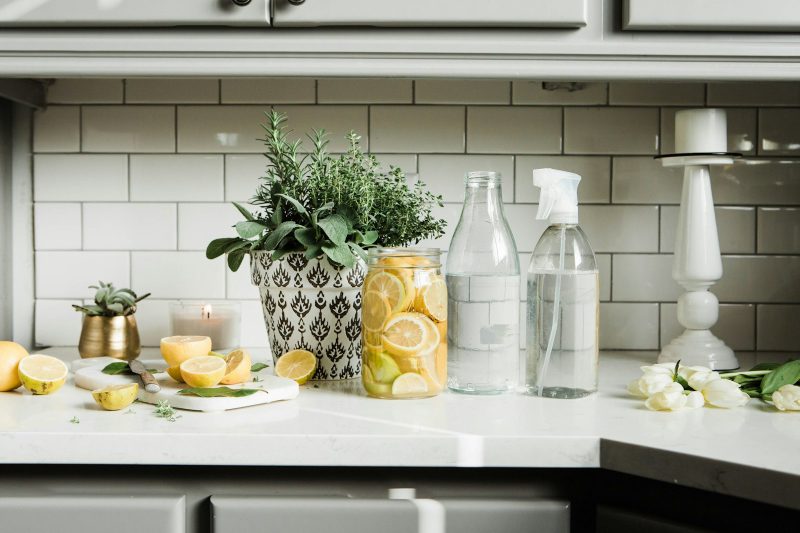
Cut single-use plastic in the kitchen
Seven swaps for the things you reach for every day.
01
Cut single-use plastic in the kitchen
Seven swaps for the things you reach for every day.
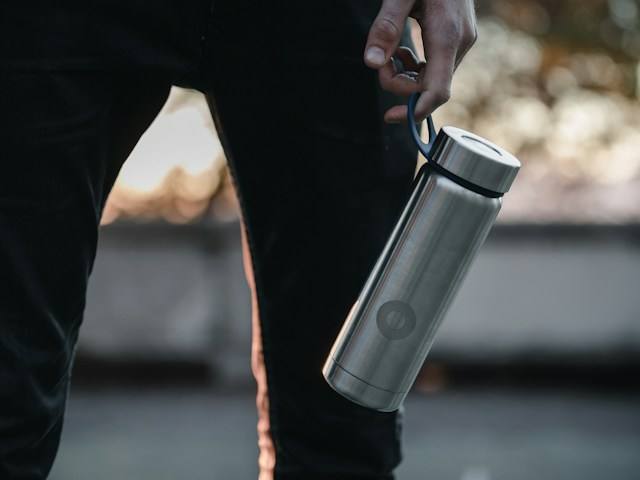 02
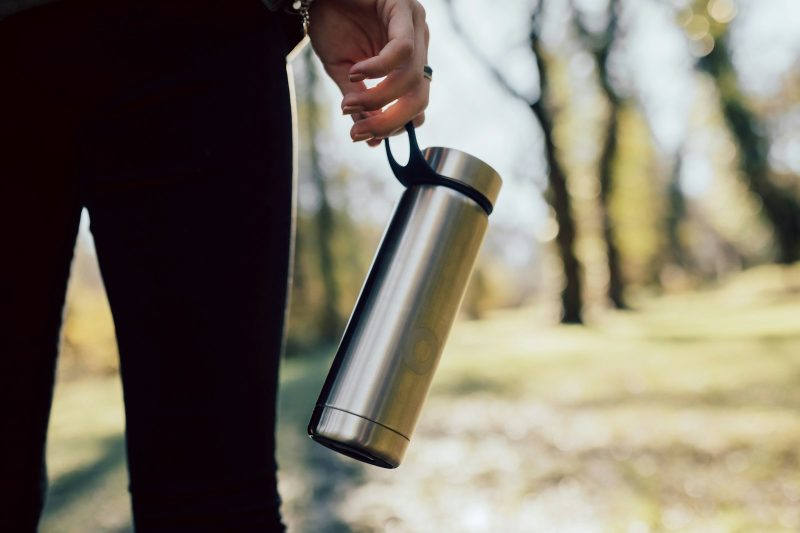
Switch to a reusable water bottle
How to choose between steel, glass and silicone.
02
Switch to a reusable water bottle
How to choose between steel, glass and silicone.
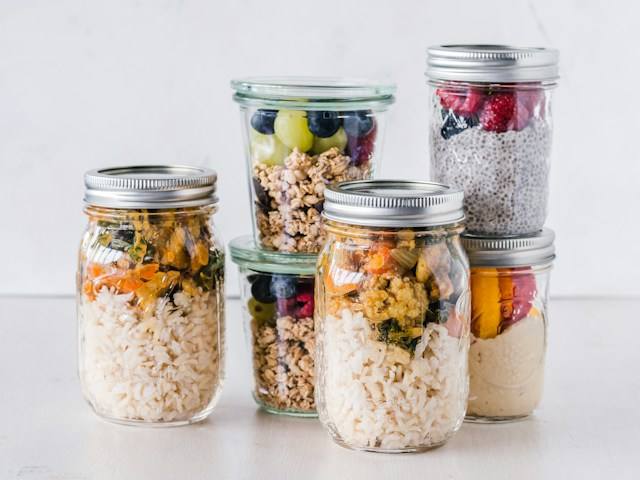 03
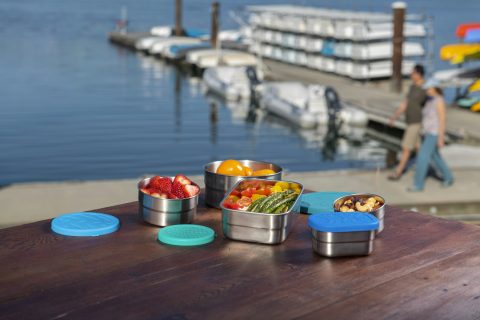
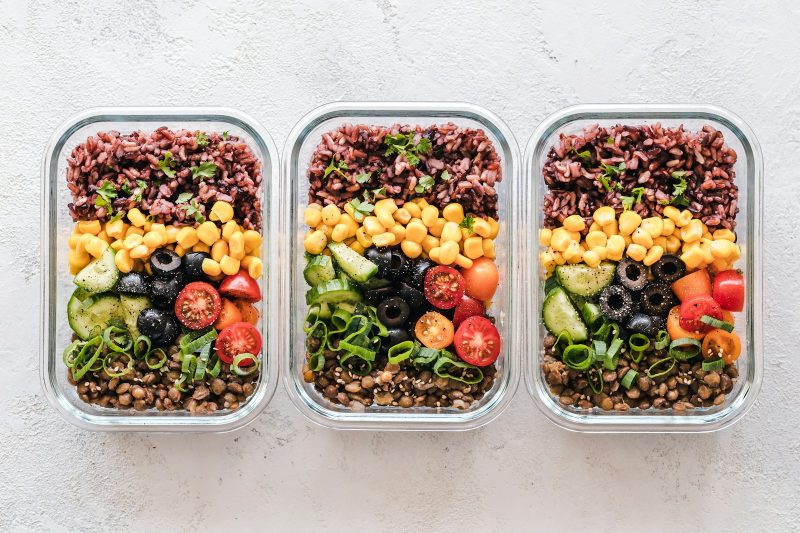
Rethink your food storage
Where each material works well and where it does not.
03
Rethink your food storage
Where each material works well and where it does not.
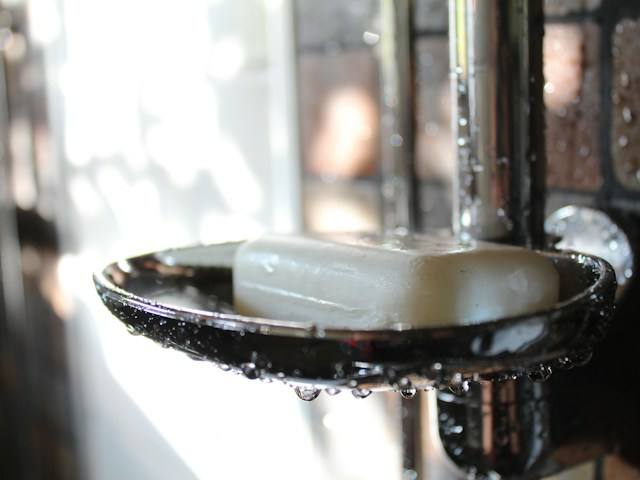 04
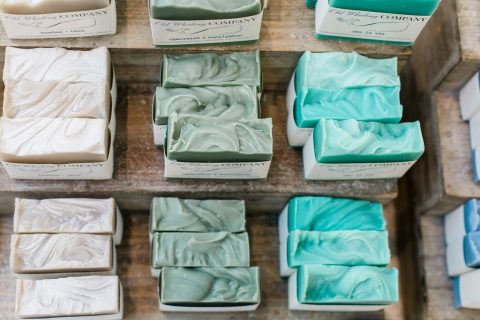
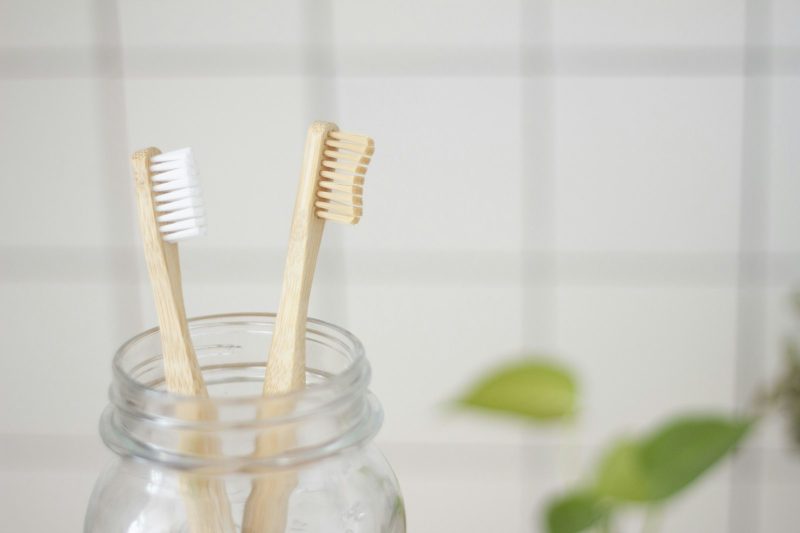
Reduce packaging in the bathroom
Simple swaps to make as each product runs out.
04
Reduce packaging in the bathroom
Simple swaps to make as each product runs out.
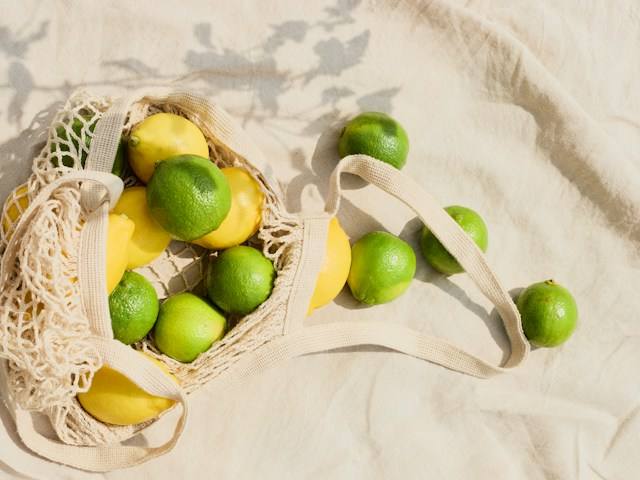 05
Shop with a short checklist
Five questions that cut impulse buys and packaging.
05
Shop with a short checklist
Five questions that cut impulse buys and packaging.
Plain-language guides to the swaps people ask about most.
Seven everyday kitchen swaps, from water bottles to dish brushes, with the trade-off for each so you can choose what fits your home.
Each hub gathers the guides, product types and tools for one part of the home.
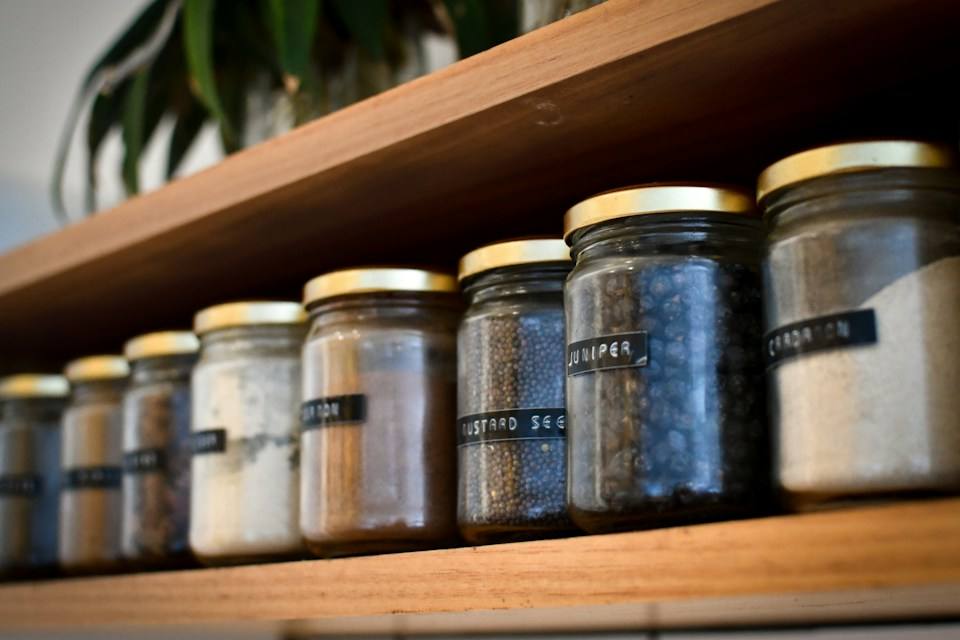 Kitchen
Practical guides to cutting single-use plastic in the kitchen: food storage, wraps, utensils and the everyday swaps that…
2 guides
Kitchen
Practical guides to cutting single-use plastic in the kitchen: food storage, wraps, utensils and the everyday swaps that…
2 guides
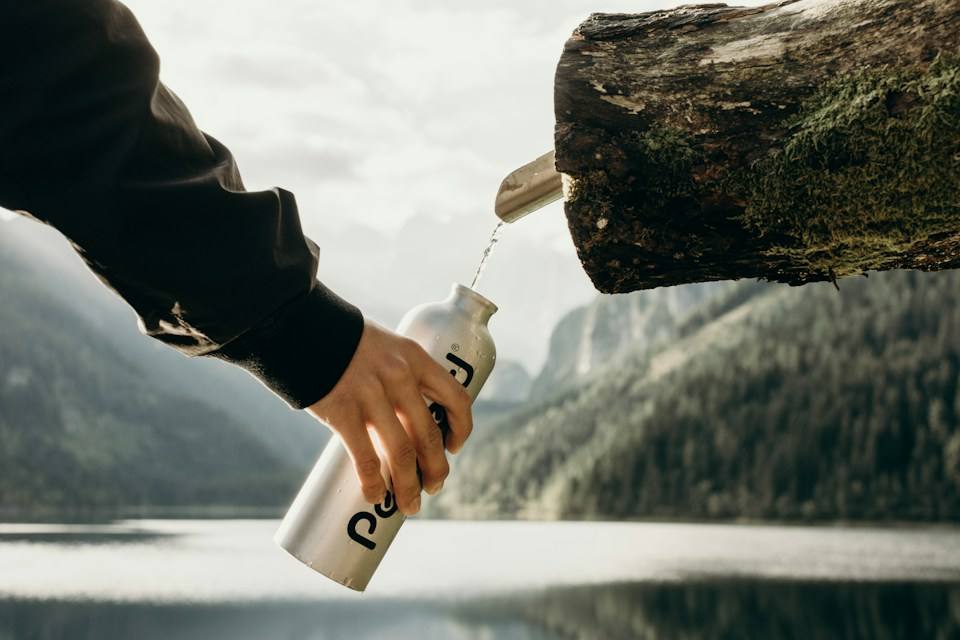 On the Go
Reusable bottles, cups and travel kits for commutes, school runs and trips, with honest notes on weight, cleaning…
2 guides
On the Go
Reusable bottles, cups and travel kits for commutes, school runs and trips, with honest notes on weight, cleaning…
2 guides
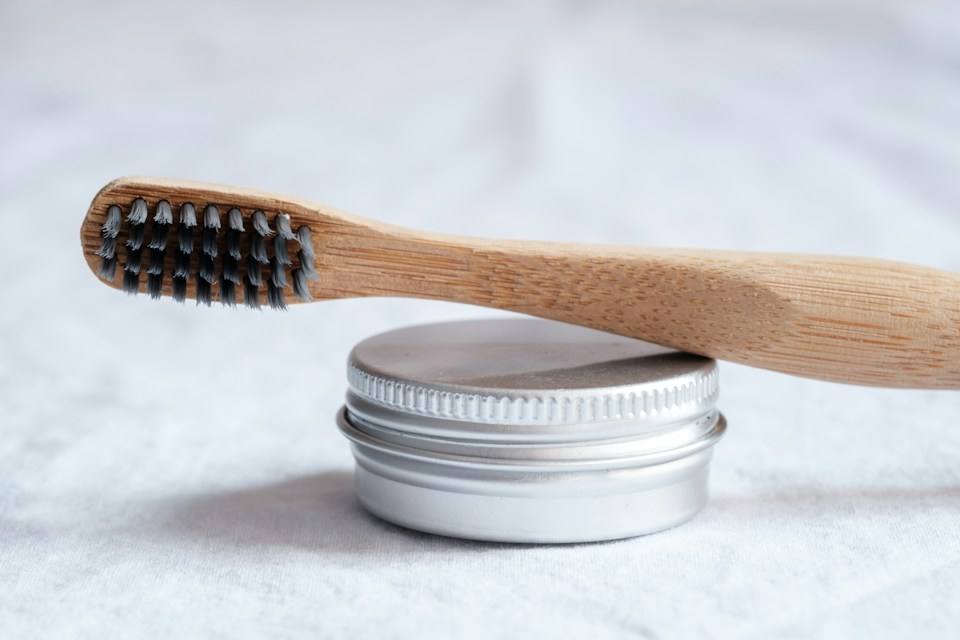 Bathroom & Personal Care
Lower-packaging choices for teeth, hair and skin, switched one product at a time, with clear notes on what…
1 guide
Bathroom & Personal Care
Lower-packaging choices for teeth, hair and skin, switched one product at a time, with clear notes on what…
1 guide
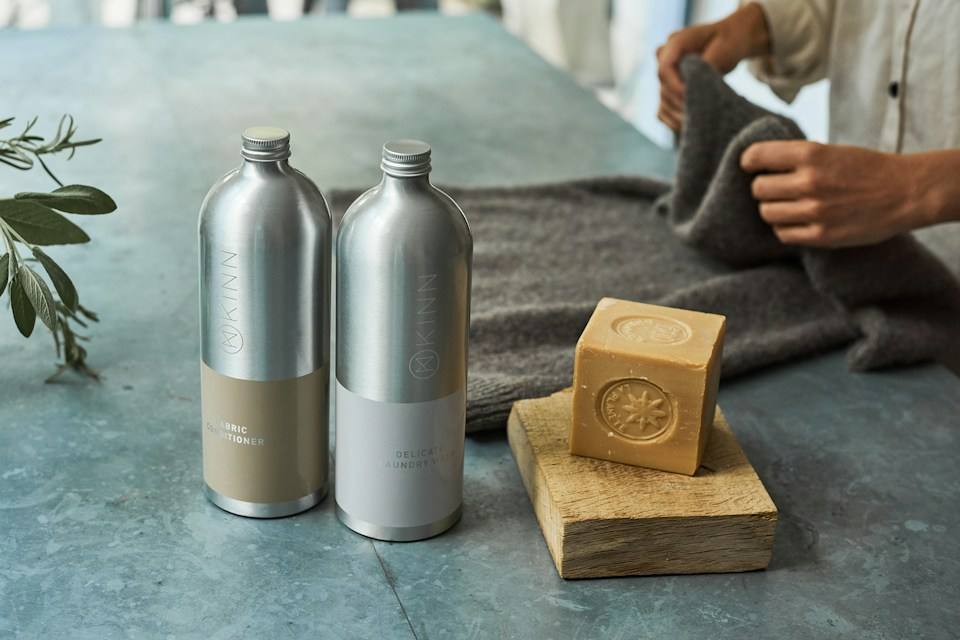 Cleaning & Laundry
Refillable bottles, concentrates and reusable cloths: how to cut packaging from your cleaning routine without wasting what you…
1 guide
Cleaning & Laundry
Refillable bottles, concentrates and reusable cloths: how to cut packaging from your cleaning routine without wasting what you…
1 guide
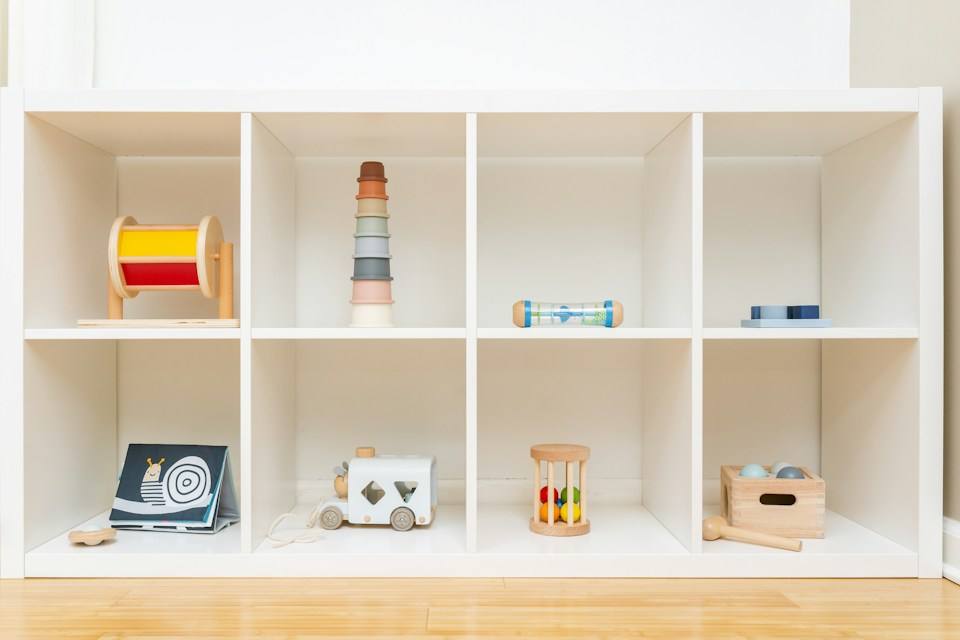 Family & Kids
Mealtime, play and everyday ideas for households with babies and children, with a focus on durable items and…
1 guide
Family & Kids
Mealtime, play and everyday ideas for households with babies and children, with a focus on durable items and…
1 guide
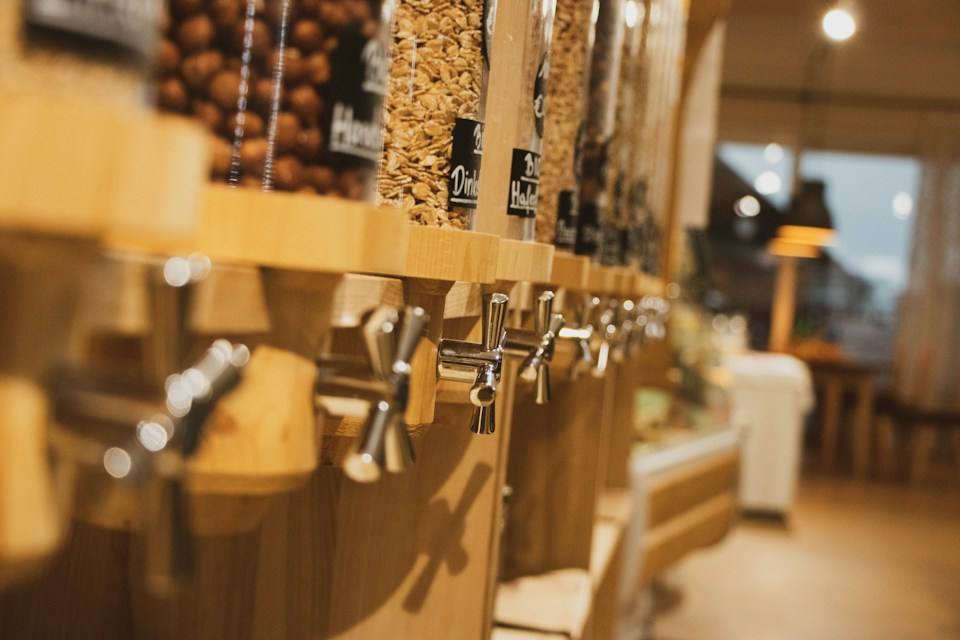 Low-Waste Home
Starter kits, shopping habits and simple ways to buy less and reuse more across the whole home.
2 guides
Low-Waste Home
Starter kits, shopping habits and simple ways to buy less and reuse more across the whole home.
2 guides
What each product type is made of, who it suits and where it falls short.
Affiliate links. As an Amazon Associate I earn from qualifying purchases. If you buy through a link on this page we may earn a commission, at no extra cost to you. How this works
These guides describe product types, not single tested products. Always check the materials and care instructions on the listing you choose.
No sign-up. Your answers stay in your browser.
Keep reading at your own pace.
A light, practical kit that covers drinks, food and toiletries on the move, plus what to know about carry-on liquid rules.
A four-week plan for moving to refills and concentrates one product at a time, without throwing away what you already have.
Twelve durable, lower-plastic baby and toddler essentials, with advice on where second-hand works and where to spend.
You do not need a garden or a bulk shop to cut everyday waste. A realistic ten-item kit for small homes, starting with what you own.
What reusable bottles are made of, what labels like BPA-free do and do not tell you, and three questions to ask before you buy.
Independent, research-based and clear about how the site is funded.
Our guides are based on desk research: published material specifications, manufacturer information and reputable public sources. We explain the trade-offs and say so when something cannot be verified.
We point out what a product is made of, where plastic still shows up, and when keeping what you already own is the better choice.
As an Amazon Associate I earn from qualifying purchases. If you buy through a link on this page we may earn a commission, at no extra cost to you.
About us Editorial standards Methodology Affiliate disclosure Contact
Short answers about getting started.
Start with one thing you throw away every week, such as drinks bottles, carrier bags or cling film, and replace it with something you will reuse. Use up what you already own first, then move on to the next item once the habit sticks.
No. Throwing away usable items to buy new ones creates waste of its own. Keep using what you have and choose a longer-lasting option when something genuinely needs replacing.
Not automatically. A reusable item takes more resources to make than a single disposable one, so it pays off through repeated use. The best choice is one you will use regularly for a long time.
Glass and stainless steel are the most common choices, with food-grade silicone often used for lids, seals and flexible bags. Each has trade-offs in weight, breakability and heat use, which our guides explain.
Some links on this site are affiliate links. As an Amazon Associate we earn from qualifying purchases, at no extra cost to you. Affiliate links are labelled and do not decide what we cover.
Our guides are based on desk research into materials, published specifications and reputable public sources. We do not claim hands-on testing unless a guide says so explicitly.