Most cleaning products are mostly water, sold in a new plastic bottle every time. Refill systems and concentrates let you keep the bottle and replace only what is inside. This plan spreads the change over four weeks so you never have to bin a half-used product.
Before you start: use up what you already have. Never mix different cleaning products, label every refilled bottle clearly, and keep all cleaning products out of reach of children.
Week 1: one spray bottle
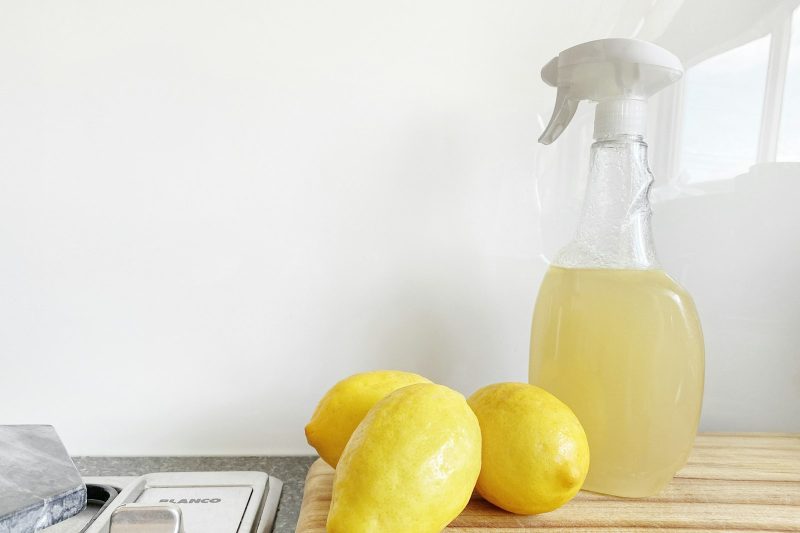
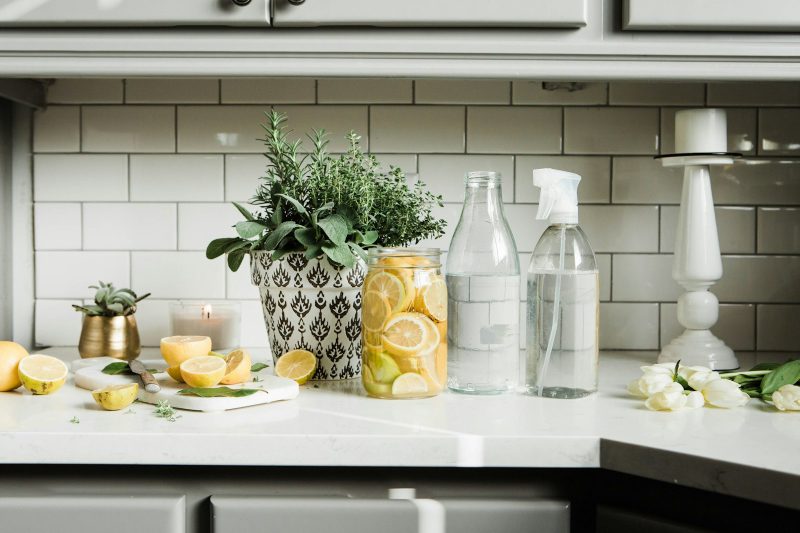
When your all-purpose spray runs out, keep the bottle or switch to a sturdy refillable glass spray bottle, then refill it with a concentrate or from a refill shop. You can compare plant-based all-purpose cleaners on Amazon; look for concentrates or refill pouches rather than another ready-to-use bottle.
Week 2: washing-up
Options include a solid dish soap bar, a refillable liquid, or simply buying the largest bottle you can store and decanting it. Pair it with a wooden brush with a replaceable head or a washable cloth.
Week 3: laundry
Concentrated liquids, powders in cardboard boxes and refill stations all reduce plastic packaging. Measuring the dose carefully matters as much as the format: using more than the label recommends wastes product and money.
Week 4: bathroom
A refillable hand-soap dispenser and washable cloths cover most bathroom cleaning. Specialist products such as limescale remover or toilet cleaner are harder to find in refill form, so treat those as optional extras.
What “plant-based” does and does not tell you
“Plant-based” describes where some ingredients come from. It does not by itself tell you how well a product works or how it affects skin, surfaces or waterways. A full ingredient list is more useful than a front-of-pack claim. In the United States, the EPA’s Safer Choice label is one recognised scheme that identifies products made with ingredients the agency considers safer for people and the environment.
If refills are hard to find
Buying in larger sizes, choosing concentrates and reusing your spray bottles still cuts packaging. A plan you can keep up locally is better than a perfect one that needs a long drive.
Next step: note each switch in the Progress Tracker, or see the all-purpose cleaner guide.
Sources and further reading
- Safer Choice, US Environmental Protection Agency.