Glass, stainless steel and silicone are the three materials most often suggested for replacing plastic food storage. None of them wins outright: each suits different jobs, and many households end up with a mix.
At a glance
| Material | Works well for | Heat | Watch for |
|---|---|---|---|
| Glass | Leftovers, meal prep, reheating, pantry storage | Many are microwave- and oven-safe without lids; check the maker’s guidance | Heavy and breakable; lids are often plastic or silicone |
| Stainless steel | Lunchboxes, picnics, children’s food, freezer | Not for the microwave | Cannot see contents; not all are leakproof |
| Silicone | Freezer bags, snacks, lids and seals | Follow the product’s stated temperature range | Can hold on to smells and grease; hard to recycle |
Glass
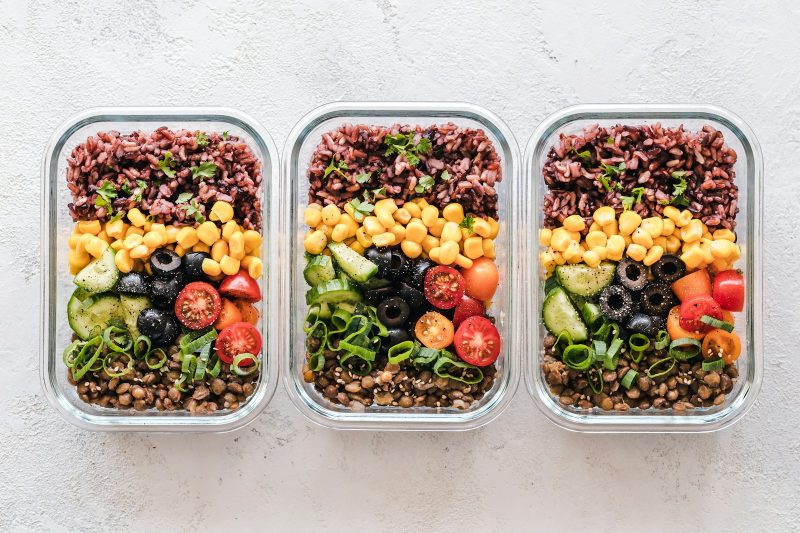
Glass is non-porous, so it does not stain or absorb odours, and it lets you see what is in the fridge. Its weaknesses are weight and breakage, which matter if you carry lunch every day or have small children helping in the kitchen. Avoid moving glass straight from the freezer to a hot oven. If you want to compare sets, you can see glass meal prep containers on Amazon or read the glass container guide.
Stainless steel
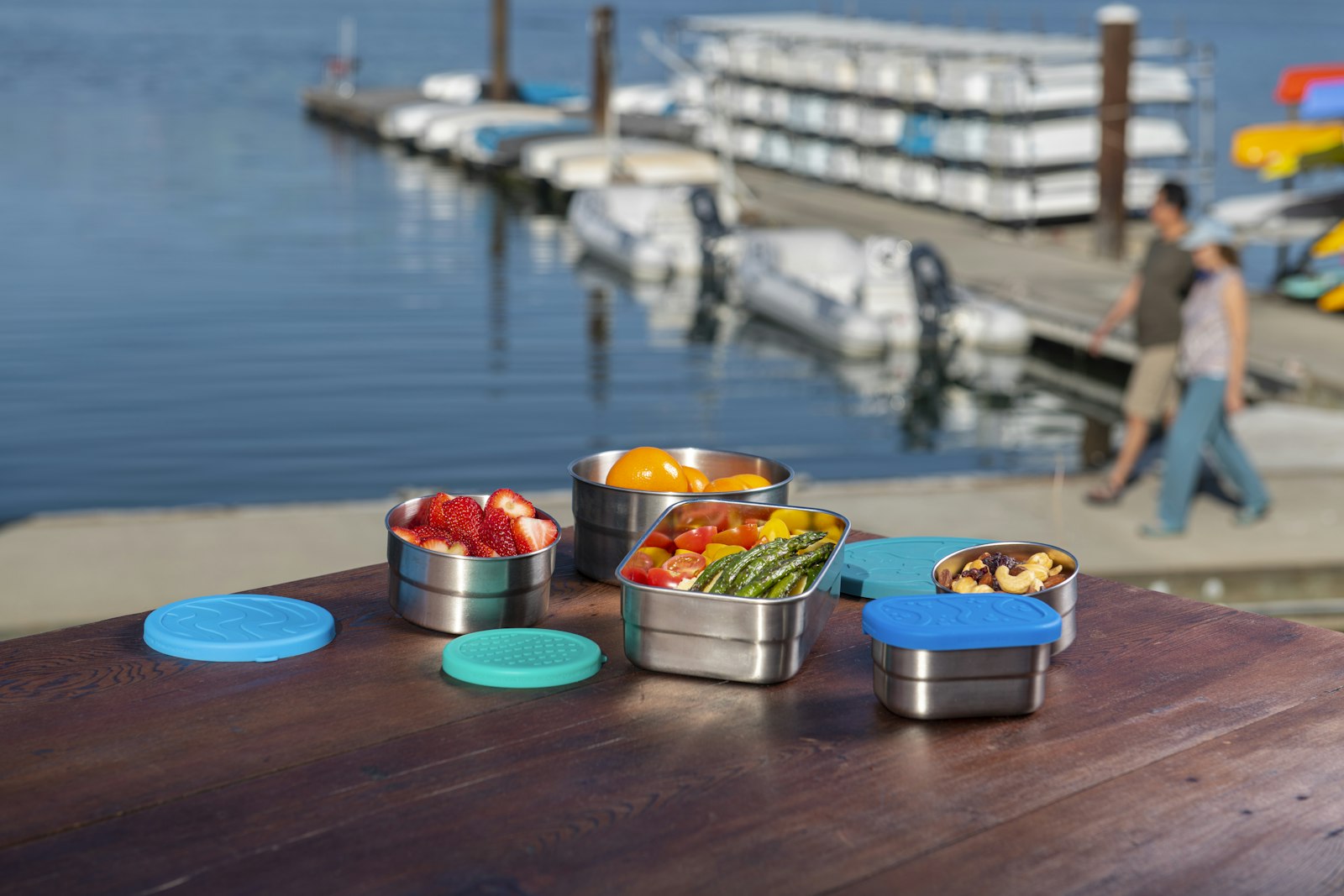
Steel is light for its strength and survives drops, which makes it the usual choice for food on the move. It cannot go in the microwave and you cannot see inside, so it is less convenient for leftovers at home. Check whether a container is described as leakproof before trusting it with soup.
Food-grade silicone
Silicone is a flexible synthetic material, not a conventional plastic, but it is not a natural material either. It is useful where rigid containers are awkward, for example reusable freezer bags, stretch lids and seals. It can cling to strong flavours, and few places recycle it.
Which should you choose?
- Mostly storing and reheating at home: glass.
- Packing lunches or feeding children on the go: stainless steel.
- Freezing portions or replacing zip bags: silicone bags or glass with headroom for expansion.
- Limited budget: keep your existing containers and replace them one at a time as they wear out.
A note on lids
Many “plastic-free” containers still have plastic or silicone lids. If that matters to you, look for glass with bamboo or steel lids and a silicone seal, and read the listing closely.
Next step: see the other simple kitchen swaps, or rank what matters to you with the Shopping Priorities Ranker.