A lot of zero-waste advice assumes a garden, a car and a bulk shop around the corner. If you live in a flat, you can still cut a meaningful amount of everyday waste with a small kit and a couple of new habits.
Start with what you already own
Before buying anything, look in your cupboards. Jam jars store dry goods, an old tote is a shopping bag, and a takeaway tub is a lunchbox. A kit made from things you already have beats a matching set bought new.
A realistic 10-item kit
- Reusable water bottle — replaces bottled drinks when you are out. See how to choose one.
- Two foldable shopping bags — one lives in your everyday bag.
- A few produce bags — for loose fruit, vegetables and bread.
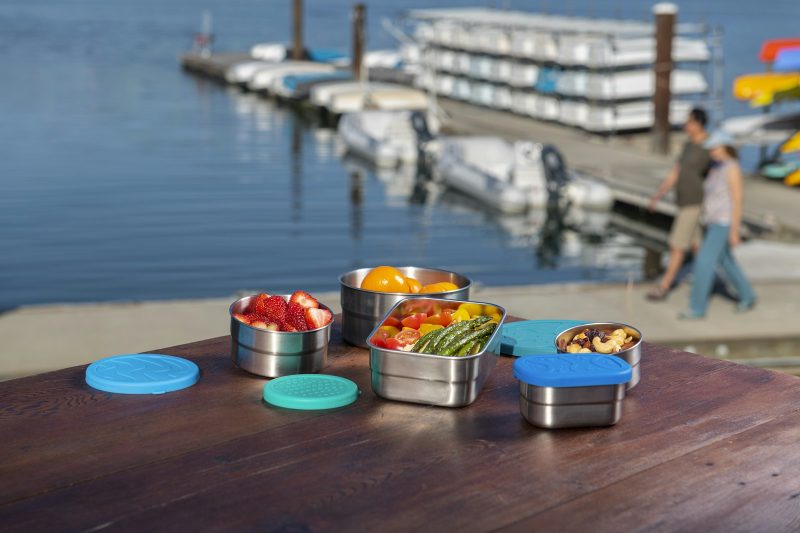
- Food wraps or lidded containers — for leftovers instead of cling film.
- Three or four glass jars — reused jars are fine.
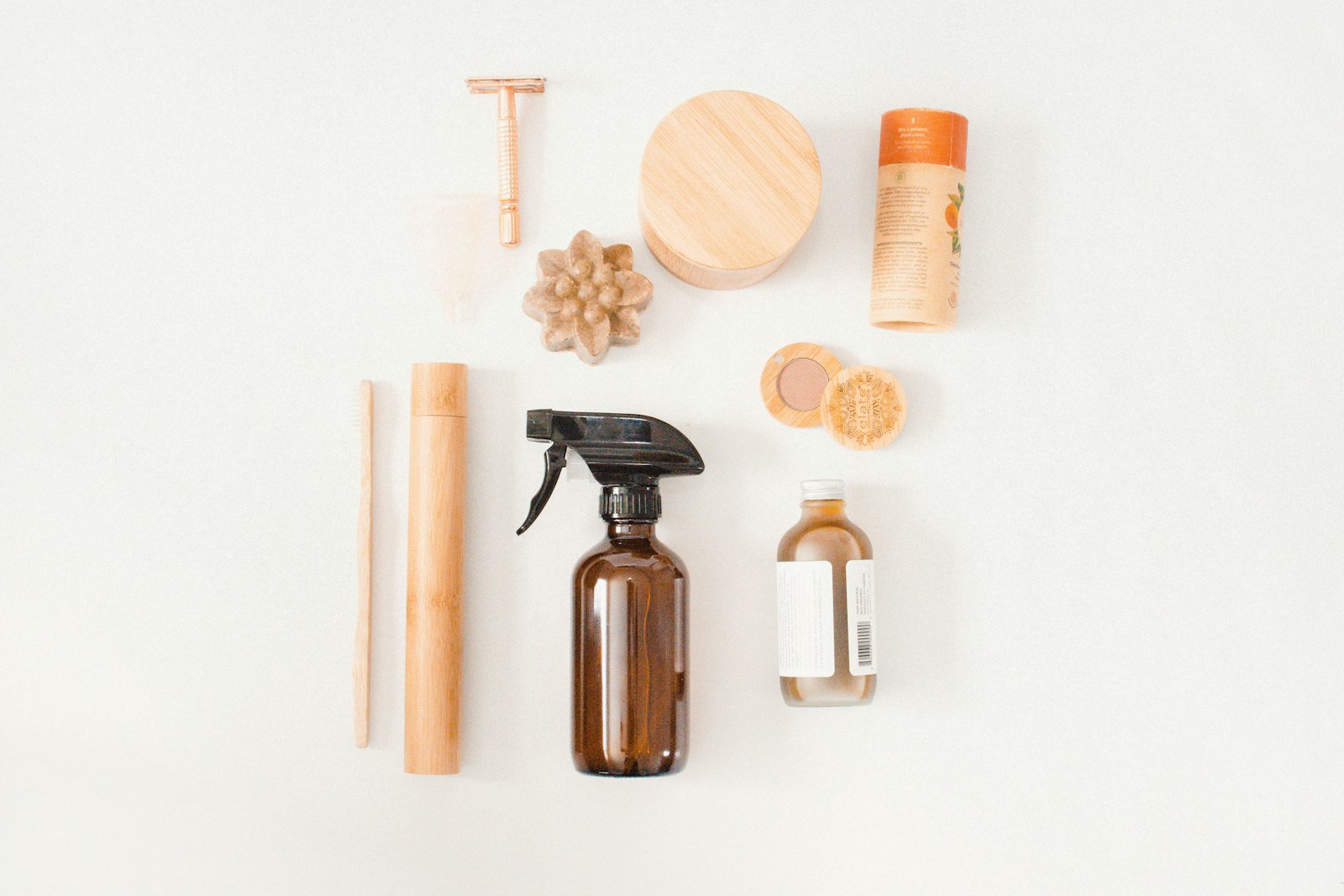
- A toothbrush with a bamboo handle — an easy bathroom swap.
- One refillable spray bottle — for a concentrated or refill cleaner.
- A small food-waste caddy — if your building or council collects food waste.
- Cutlery and a cloth napkin — from your own drawer, kept in your bag.
- Bar soap or a shampoo bar — when your current bottle runs out.
If you would rather buy several of these together, you can browse zero-waste starter kits on Amazon. Check what each kit actually contains; many include items you may not need.
What to skip at first
Specialist gadgets, large matching container sets and anything that needs storage space you do not have. Add items only when you notice a real gap.
Food waste in a flat
Options depend on where you live. Some councils and buildings collect food waste; some neighbourhoods have community compost drop-offs; indoor systems such as bokashi bins or wormeries suit people willing to manage them. If none of these work for you, planning meals and using leftovers reduces food waste at the source.
Make it stick
Keep the kit visible: bags by the door, the bottle by your keys. One change that lasts is worth more than ten that do not.
Next step: the Reusable Kit Generator builds a short checklist around your household, and the conscious shopper’s checklist helps you decide what is worth buying.