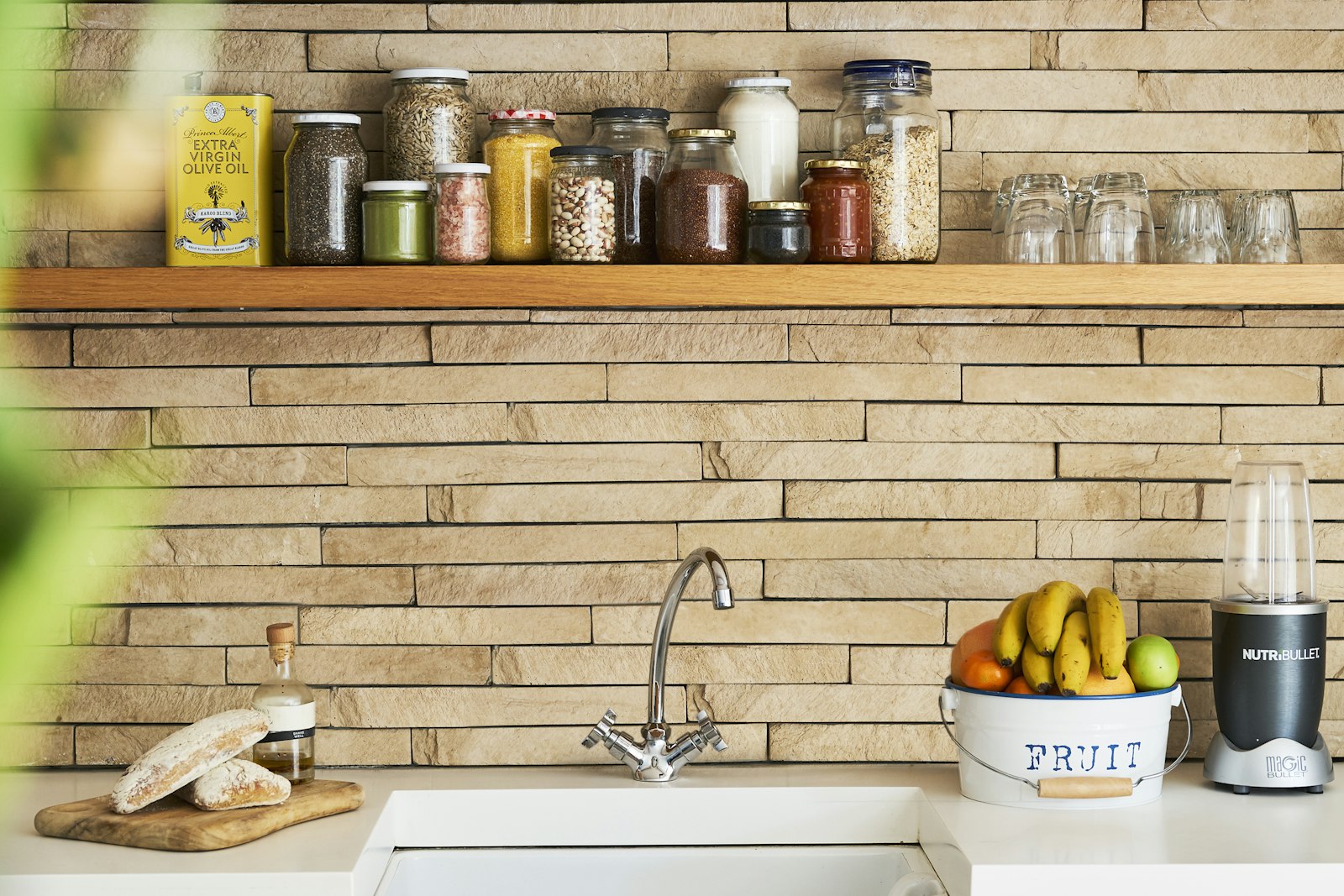
The kitchen is where most households get through the most single-use plastic: drinks bottles, cling film, sandwich bags, produce bags and carrier bags. The good news is that these are also the easiest items to replace, because you use them so often that a new habit forms quickly.
The short version
- Replace things as they run out. Do not throw away usable items to buy new ones.
- Start with what you use daily: a bottle, storage containers and shopping bags.
- Every swap below has a trade-off, and it is listed.
1. A reusable water bottle
If you buy bottled water or soft drinks most days, a refillable bottle is usually the single biggest change you can make. Stainless steel and glass are the most common plastic-free bodies, although many lids still contain some plastic or silicone. Our guide to choosing a reusable water bottle compares the materials. You can also browse insulated stainless steel bottles on Amazon.
Trade-off: heavier than a disposable bottle, and it needs regular washing.
2. Glass food storage containers
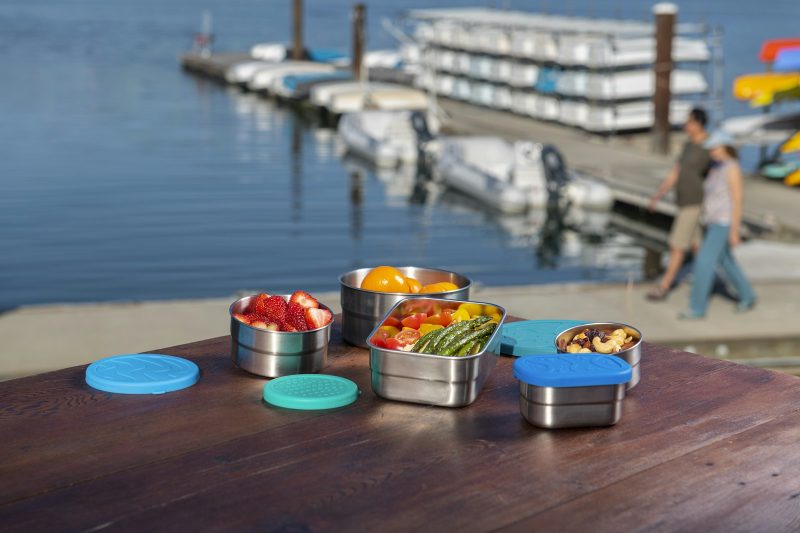
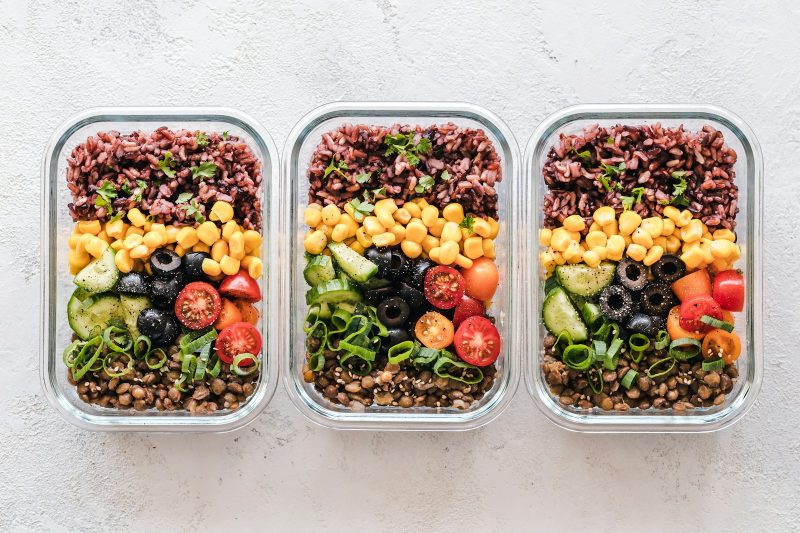
Glass does not stain or hold on to smells, and you can see what is inside. Many glass containers can go in the microwave or oven without their lids, but check the maker’s instructions and avoid sudden temperature changes. See glass vs stainless steel vs silicone for when each material makes sense, or compare glass food storage containers on Amazon.
Trade-off: heavy, breakable, and the lids are often plastic or silicone.
3. Beeswax or plant-wax food wraps
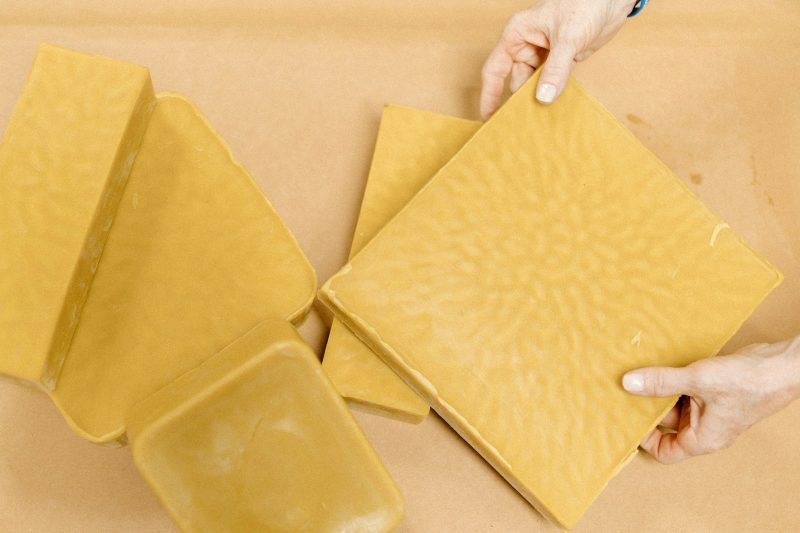
Wax-coated cotton wraps mould around bowls, cut fruit, cheese and bread using the warmth of your hands. They are washed in cool water and reused. Read the beeswax wrap guide for care tips.
Trade-off: makers generally advise against using them for raw meat or hot food, and they wear out over time.
4. Reusable silicone bags
Thick, resealable silicone bags stand in for disposable zip bags in the fridge, freezer and lunchbox. Silicone is not plastic-free in the strictest sense, but one bag can replace a large number of disposable ones.
Trade-off: slower to wash and dry than a throwaway bag, and harder to recycle at the end of its life.
5. Wooden or bamboo utensils
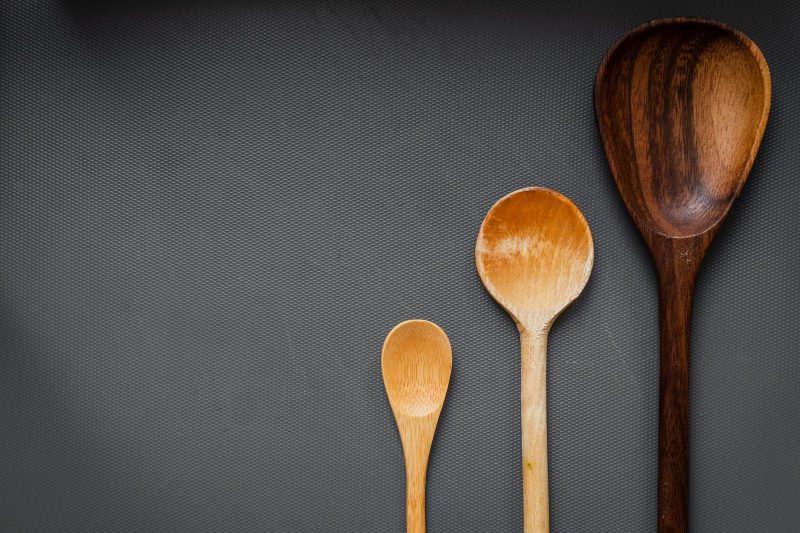
When a plastic spatula or spoon wears out, a wooden or bamboo replacement is inexpensive and gentle on pans.
Trade-off: best washed by hand and dried promptly.
6. Reusable shopping and produce bags
The swap itself is simple; remembering the bags is the hard part. Keep a folded tote in your everyday bag and a few by the front door or in the car. Mesh produce bags cover loose fruit and vegetables.
Trade-off: a cotton tote takes far more resources to make than a thin carrier bag, so it only pays off if you use it many times.
7. A dish brush with a replaceable head
A wooden brush with a replaceable head, or a washable cloth, can take the place of plastic sponges and scourers.
Trade-off: natural bristles are softer than plastic scourers on burnt-on food.
What to keep using
Plastic containers you already own are not waste until you bin them. Keep using them for dry goods, craft supplies or the shed, and replace them only when they crack or wear out.
Next step: build a short, printable kit with the Reusable Kit Generator, or estimate what your household could avoid with the Plastic Reduction Calculator.